Field Notes: EMALCA Costa Rica 2024 at UCR
A very applied EMALCA in Liberia, with numerical analysis, elliptic curves, roommates, buses, beaches, waterfalls, and a lot of pinto.
EMALCA Costa Rica 2024 has been one of the most complete academic experiences I have had so far. Not only because of the courses, but because this time I actually lived the school as a school: hotel, roommates, trips, lunches with the group, improvised dinners, weekends outside the classroom, and conversations that kept going after class.
At EMALCA 2023, at UES, I went home every day. I was physically at the event, but not fully inside the experience. Costa Rica was different. I shared a room with Emerson and German, we got along very quickly, and I finally understood that invisible part of an international school: what happens between breakfasts, buses, walks, grocery runs, and late conversations after class.
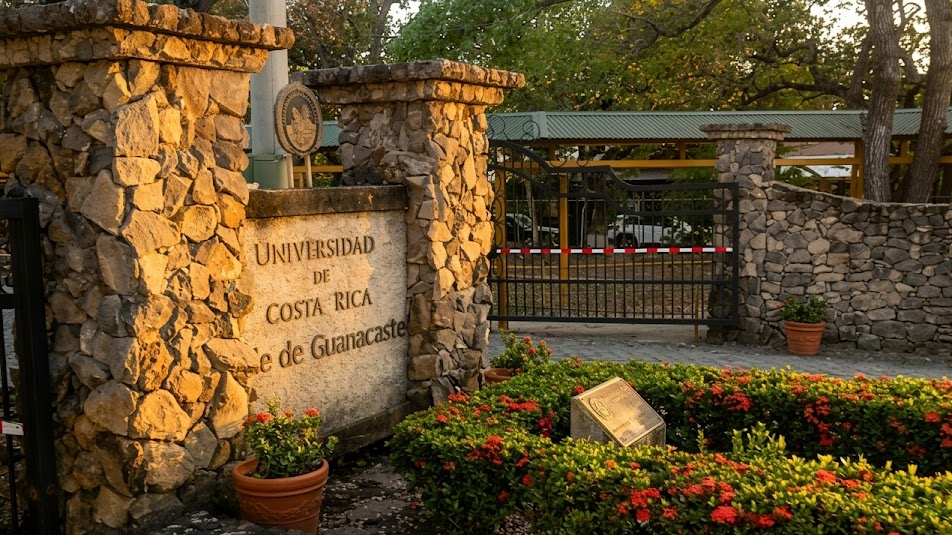
The Trip Started Before Liberia
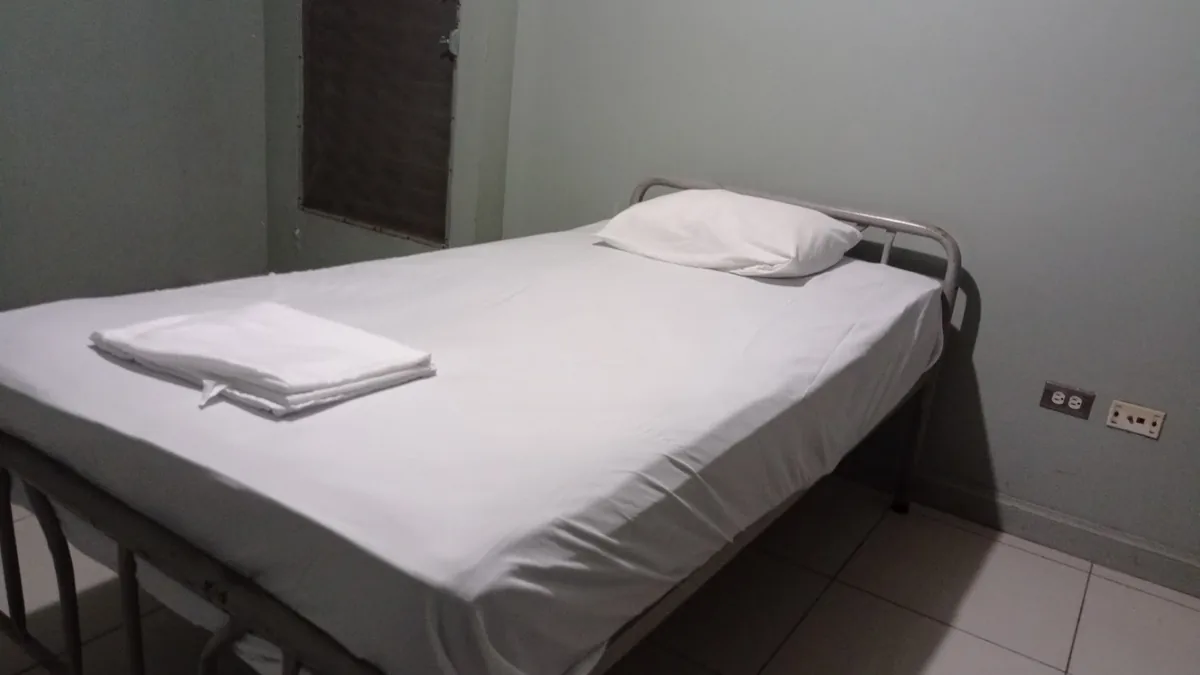
I left earlier than the group of Salvadoran students who traveled directly with Transportes del Sol. I wanted to stop in Nicaragua and see at least a bit of Managua. I slept one night at the Ticabus station, in a room that was very austere, the kind you remember more for the story than for the comfort. I bought street-side food and made it work for dinner and breakfast.
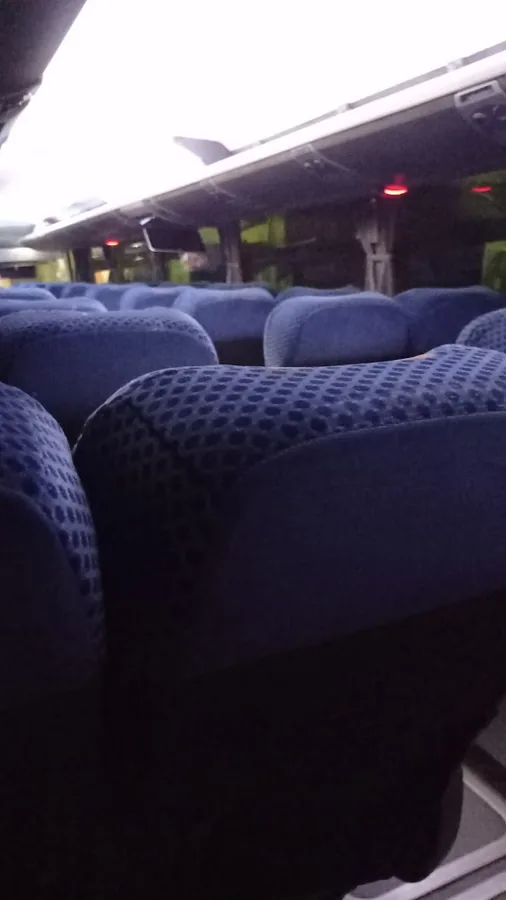
The moment the trip felt real was crossing the border. I looked at the map and saw that I was actually in Costa Rica, alone, and it hit me in a very specific way: the feeling of being completely alive, far from routine, moving toward something I already knew was worth it.
Then came the heat shock. I got off at a random gas station in Liberia and, as soon as I stepped out of the air-conditioned bus, I started melting. The first thing I did was run to the Taco Bell across the street. Yes: my first meal in Liberia was Taco Bell. Not exactly a grand gastronomic entrance, but an honest one.
That night I met my roommates and another classmate who arrived later. We went out for chicken chunks, and that was the start of the group dynamic that ended up making the school much more special.
Hotel Wilson, Pinto, and Prices From Another Planet
Hotel Wilson was great. It had that meeting-point vibe: people coming and going, students from different countries, plans forming in hallways, and breakfasts that were... well, breakfasts.
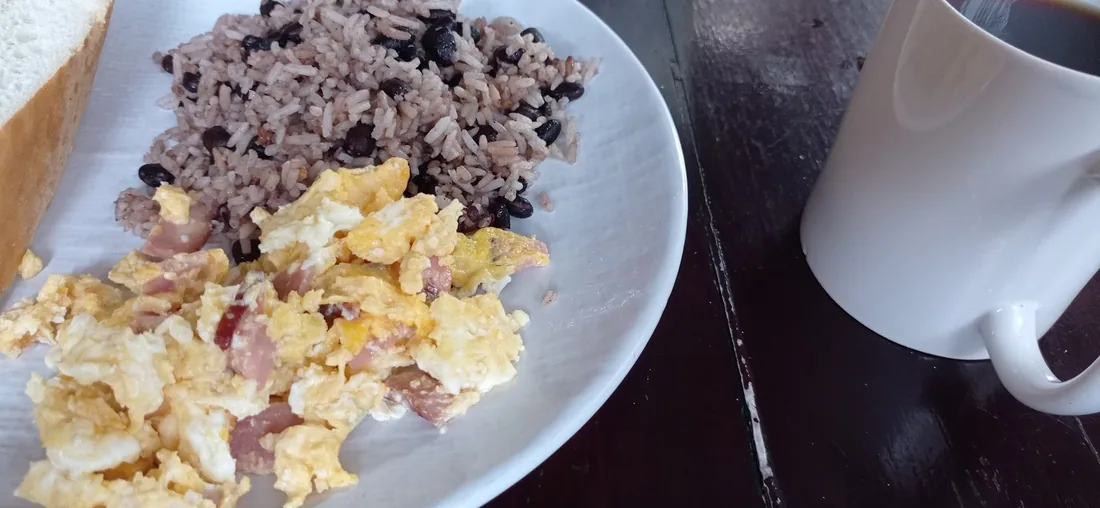
Morning food was pretty meh, although some days they got fancy and brought out waffles. Still, always with a mountain of pinto and eggs, because Costa Rica does not play around with pinto. Lunch at the university soda, on the other hand, was genuinely good and healthy. We never got tired of it. It was the kind of meal you appreciate because you still have to concentrate for several hours afterward.
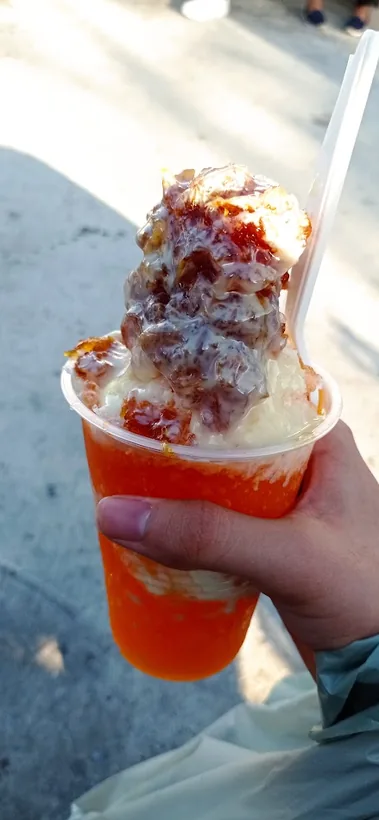
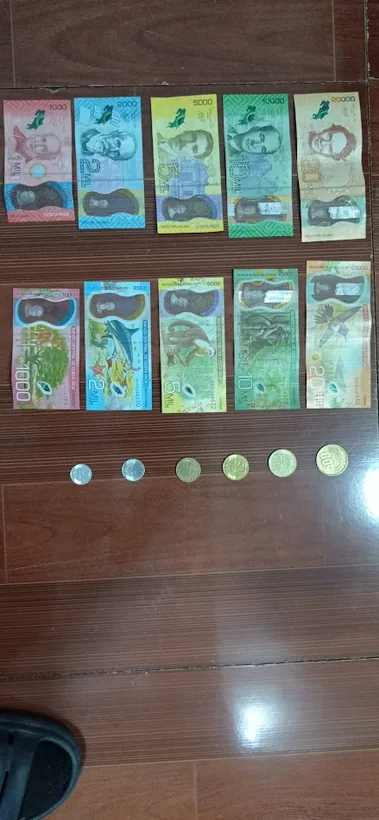
Dinners were a different story. We received stipends, so we used them for restaurants or grocery runs. That brought another shock: Liberia was expensive. The conversion felt almost like paying twice what things cost in El Salvador. In San Salvador I can buy a one-liter Coke Zero for $1.50; there, that barely got me the small one. We had to get creative with supermarket purchases to vary dinners without destroying the budget.
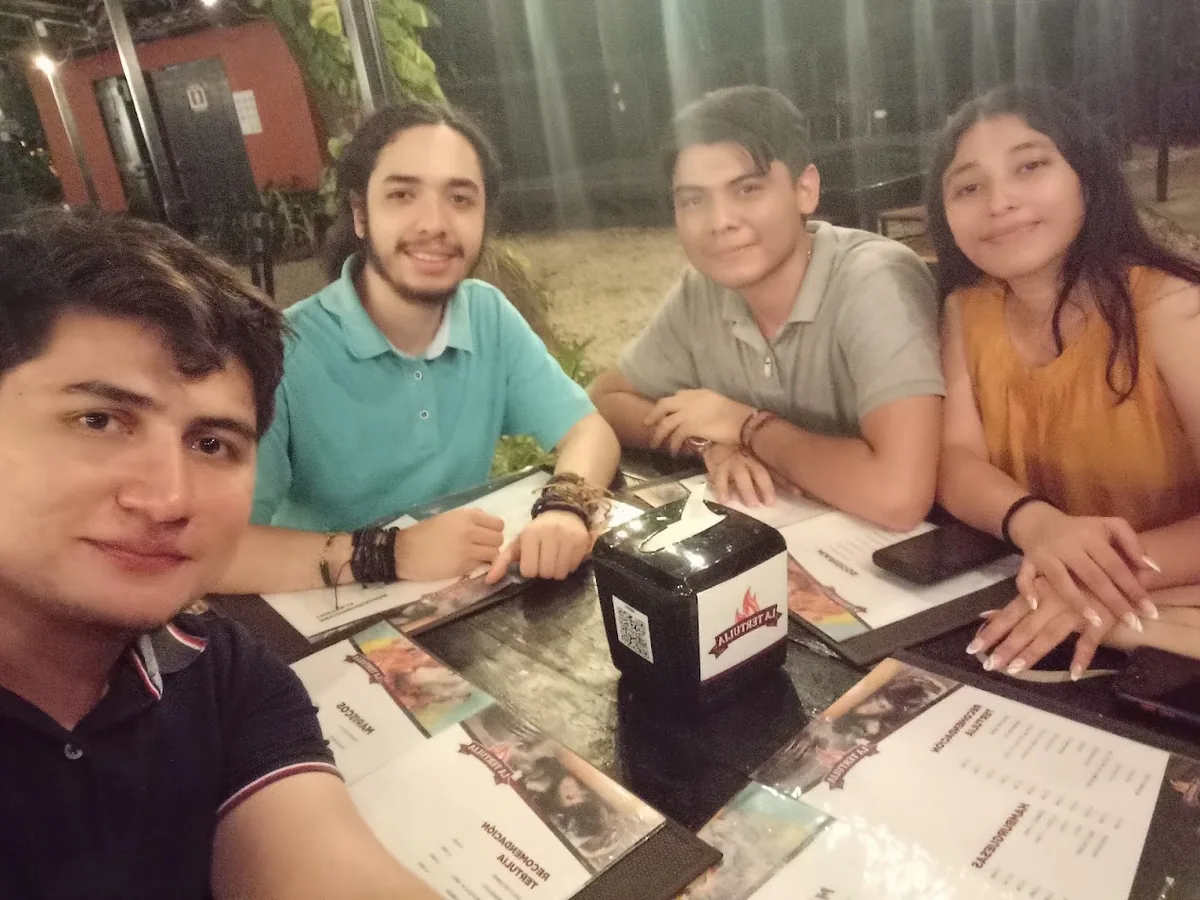
Liberia had more of a small-town atmosphere: shops and restaurants closing early, especially on weekdays, quiet streets, easy access to the center and the park. We never felt unsafe, although outside the hotel there was a small corner store where drunk fights broke out on a few nights. I guess that was part of the Wilson soundscape.
Finally, the Full Experience
One funny thing was meeting more people from El Salvador, but not from UCA. There were students from UES, including the San Miguel campus, and several of us had also been at the previous EMALCA. Since in 2023 I went home right after class, we never really talked. In Costa Rica, because we were all in the same rhythm of hotel, university, and meals, that changed quickly.
We ended up making friends from Costa Rica and Honduras whom we still keep in touch with. The group vibe was very close, especially among Hondurans, Salvadorans, and some Costa Ricans. There were also groups we barely socialized with, as always happens, but the core experience felt warm and connected.
There was also an unexpected crossover with the now Dr. Gabriel Chicas, who happened to be going to another event at the same university, the symposium. He had his own Airbnb, and sometimes we ended up meeting there or going out to eat as a group. That mix of EMALCA, symposium, new friends, and improvised plans made Liberia feel much less foreign.
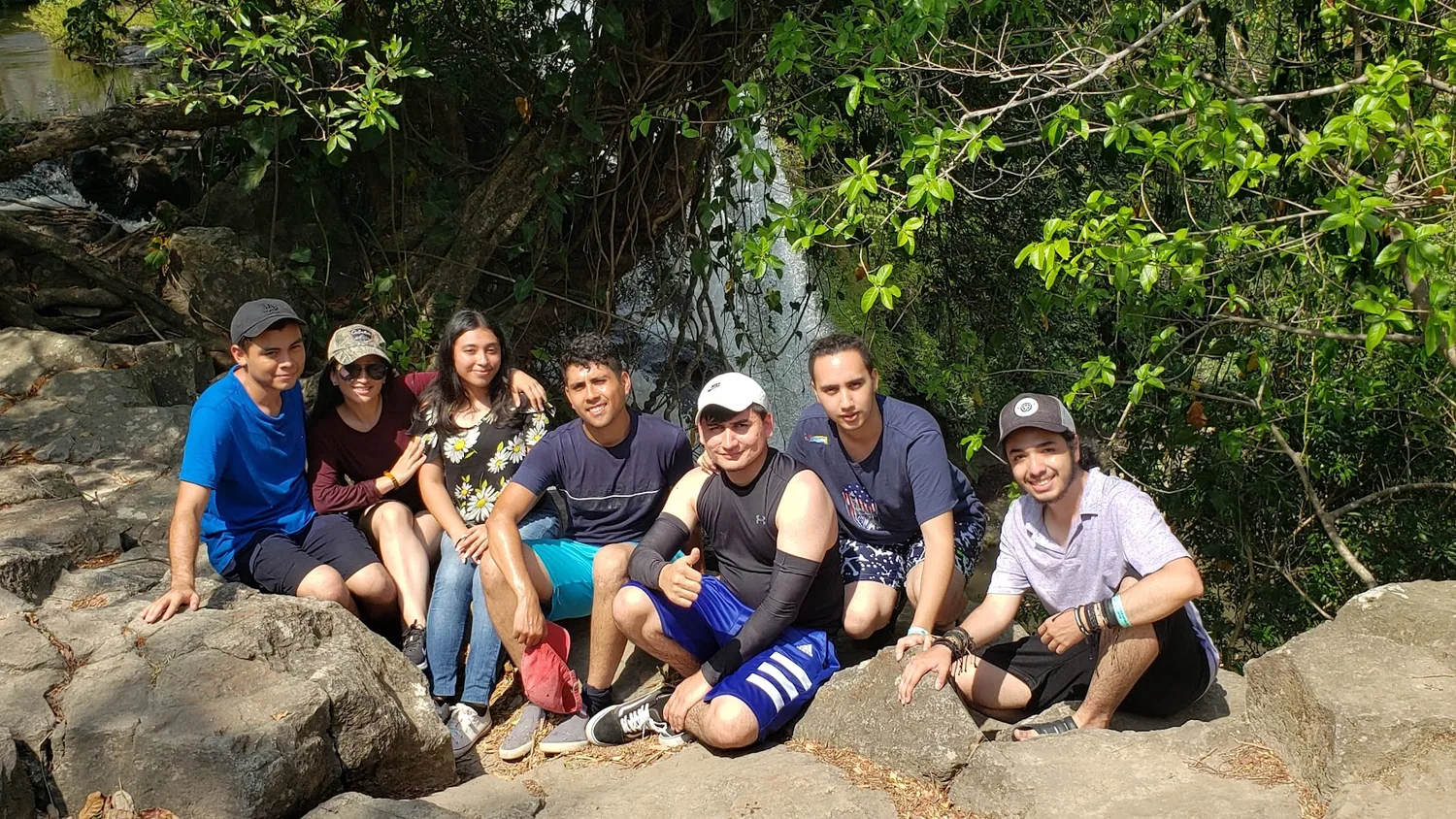
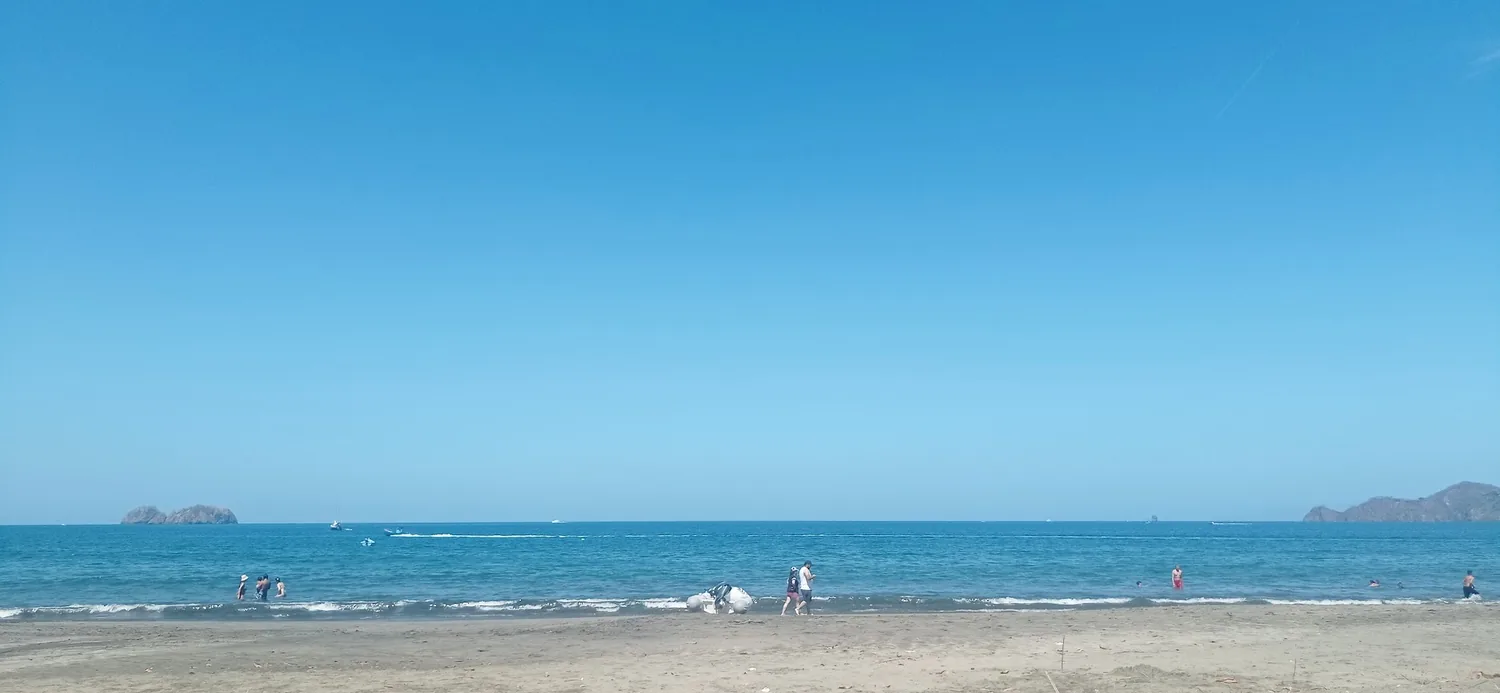
Outside class, there was a lot of life too. We went to Playa Hermosa, did snorkeling, and took a bus trip to Llanos de Cortés waterfall, if I remember the name correctly. That mix of intense mathematics during the week and small trips around Guanacaste made the school feel larger than the academic program.
A Very Applied EMALCA
Academically, what I liked most was that this EMALCA felt very applied. I felt especially comfortable in the numerical analysis courses because they connected with things I had already seen from other angles: Euler's method at the previous EMALCA and FEM at university.
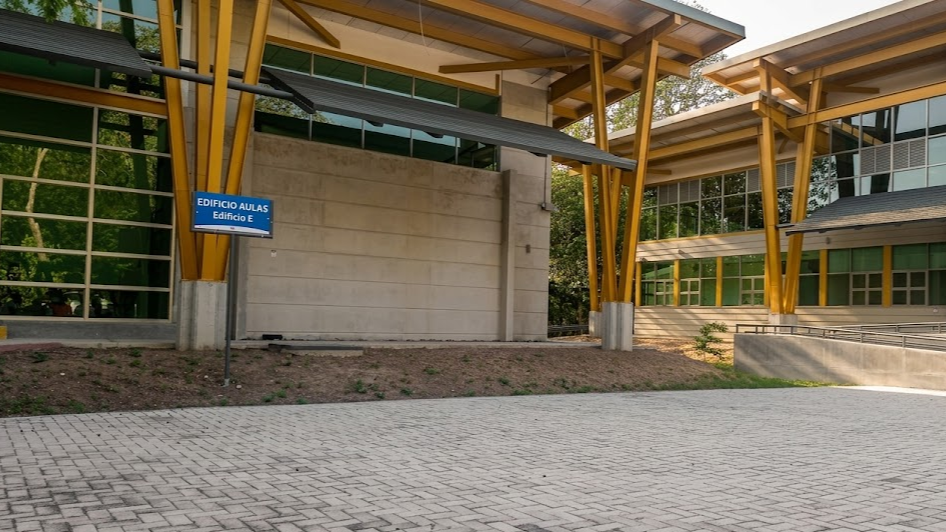
The program had a really interesting balance: it started with foundations for number theory and algebraic geometry, moved into elliptic curves and plane algebraic curves, and then landed hard on numerical calculus, stability, and dynamical systems. It did not feel like a random collection of topics. It felt like a school designed to connect theory with application.
The Courses, One by One
1. Foundations for algebraic geometry and number theory
The first leveling course helped align the language. Before going fully into elliptic curves and algebraic curves, we needed divisibility, polynomials, groups, rings, and the basic ideas that appear when equations start being treated as geometric objects.
I liked it because it worked as a serious warm-up. It was not the flashiest course, but it made the rest of the school feel less like a free fall. For someone coming from engineering, it helps a lot when a school takes the time to build a shared vocabulary.
2. Introduction to elliptic curves
The elliptic curves course also hit me for a more personal reason. At university I took a networks class that was really bad for me. That course mentioned elliptic curves, cryptography, and related topics, but I had no real idea what they were or how they were used. It was one of those terms that floats in the air as if everyone understands it except you.
At EMALCA, I finally saw them with more context: rational points, group structure, number theory, geometry, and applications to cryptography. I obviously did not leave as an expert, but I did leave with a door open. It was no longer a strange phrase thrown into a bad class. It was a mathematical object with its own life.
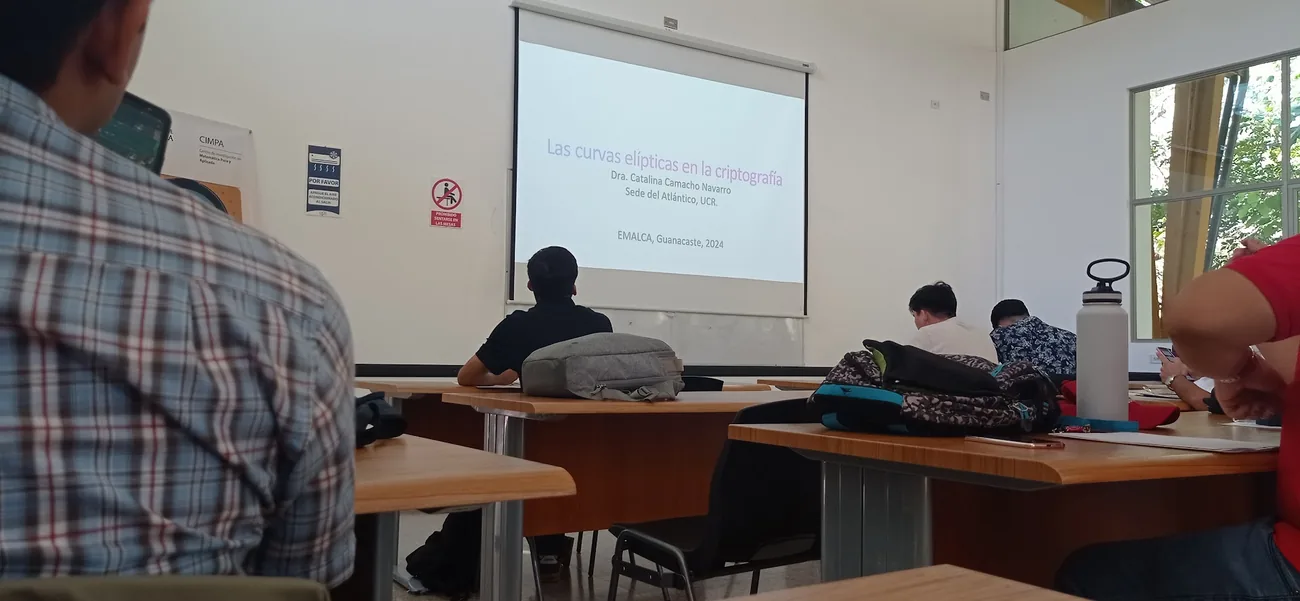
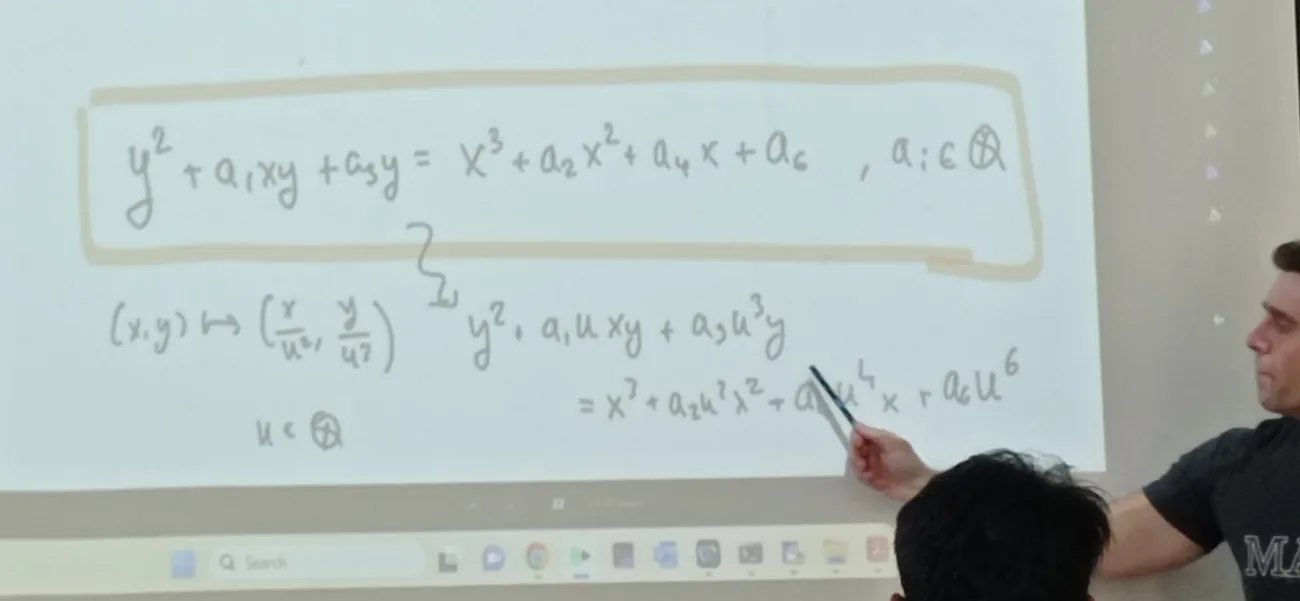
We also saw the topic of the record rank for elliptic curves, and the funny thing is that the record was broken right after the school. The coincidence made me laugh: you spend two weeks trying to understand what the rank of an elliptic curve means, and suddenly the mathematical world moves the frontier a little further.
3. Plane algebraic curves
The plane algebraic curves course was probably the most "pure" part of the school, but it did not feel disconnected. Starting with polynomials and ending up with curves, intersections, singularities, tangent lines, rationality, and genus felt genuinely beautiful.
I liked it because it teaches you to look at an equation differently. Not only as something to solve, but as something with shape, structure, defects, special points, and global behavior. That way of thinking connects a lot with topology and TDA for me: not staying only with pointwise data, but trying to read the geometry behind it.
4. Basic principles of numerical calculus
The second leveling course was the bridge into the applied part of the school. The language changed there: errors, discretization, approximations, finite differences, meshes, stability. For me, this was more familiar ground because I already had numerical methods experience from engineering.
That course prepared the ground well for what came next. Sometimes one thinks "numerical calculus" is just programming formulas, but it is really about learning how to distrust results in a disciplined way: how much error am I introducing, how does it propagate, what am I approximating, and what conditions do I need for the answer to make sense?
5. Numerical stability and application to an earth dam
This was the course that blew my mind the most. It was not just implementing a method and seeing that it runs. We had to use Fourier analysis to prove that the method would converge and to find the right mesh. I loved that because it gave mathematical justification to something that, in engineering, can sometimes feel like a recipe: choose a discretization, run the algorithm, check whether it explodes.
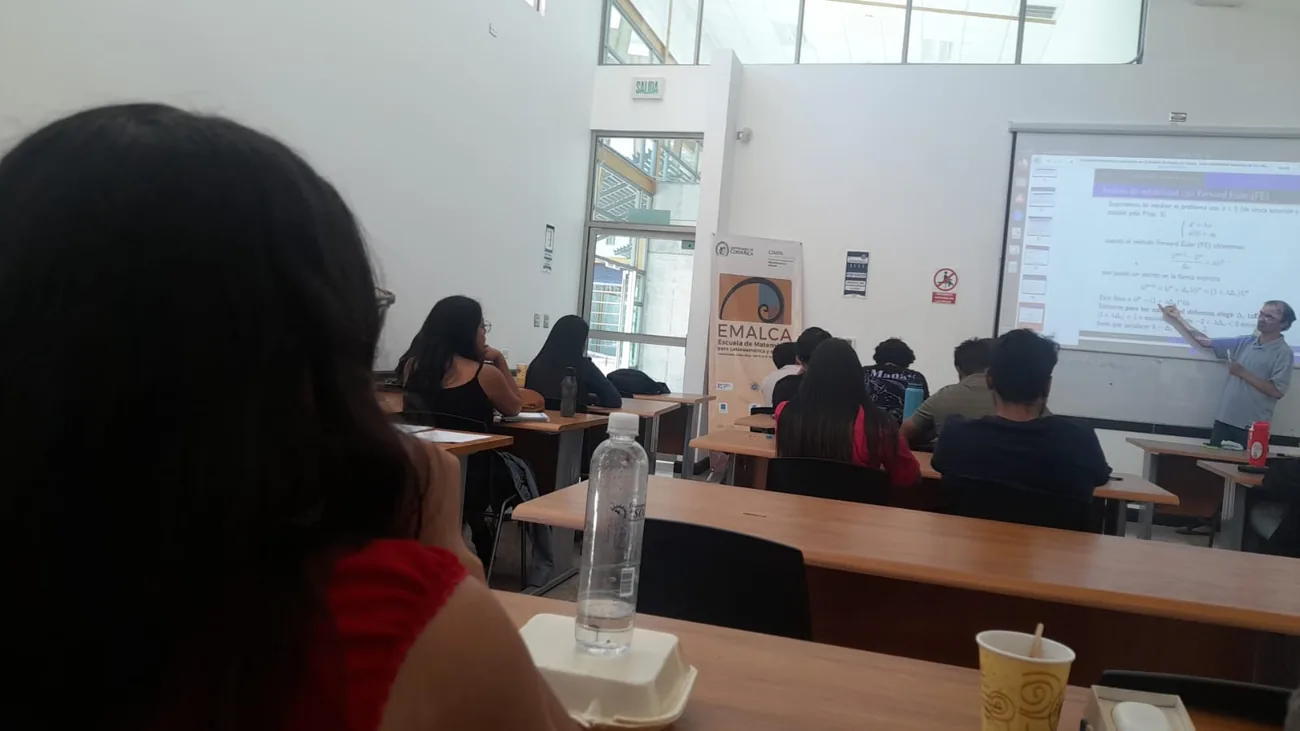
Here, the question was different: why should it work? What condition makes the method stable? What happens if the mesh does not respect that condition? For me, that was gold, because it connected computational intuition with serious analysis.
The earth dam application also made everything feel real. It was not numerical stability floating in the abstract. It was an equation, a discretization, a mesh, and a physical phenomenon that could behave badly if the method was not set up correctly. It made me feel that my engineering side and my interest in mathematics were not separate. On the contrary: they were speaking directly to each other.
6. Introduction to dynamical systems
Dynamical systems had another kind of intuition: evolution, stability, recurrence, qualitative behavior. That language has always felt close to computation to me because many interesting models are not understood through a static picture, but through how they change over time.
I liked that it came after numerical analysis because it changed the question. In numerical stability, you ask whether the method behaves well; in dynamical systems, you ask how the system itself behaves. What stays fixed, what becomes periodic, what approaches something, what becomes sensitive. It is another way of training the mind.
The Talks Also Added Something
Beyond the courses, the talks opened windows into other topics. The talk on applications of elliptic curves to cryptography connected directly with that old debt I had from networks. There were also talks on logic and algebraic geometry, ergodic theory of Anosov systems, and infectious disease models.
Not every talk hit me the same way, but they helped show the full map: the same school could touch cryptography, algebraic geometry, dynamics, biological models, and numerical analysis. That variety was part of what made this EMALCA feel so good.
San José, Managua, and the Way Back
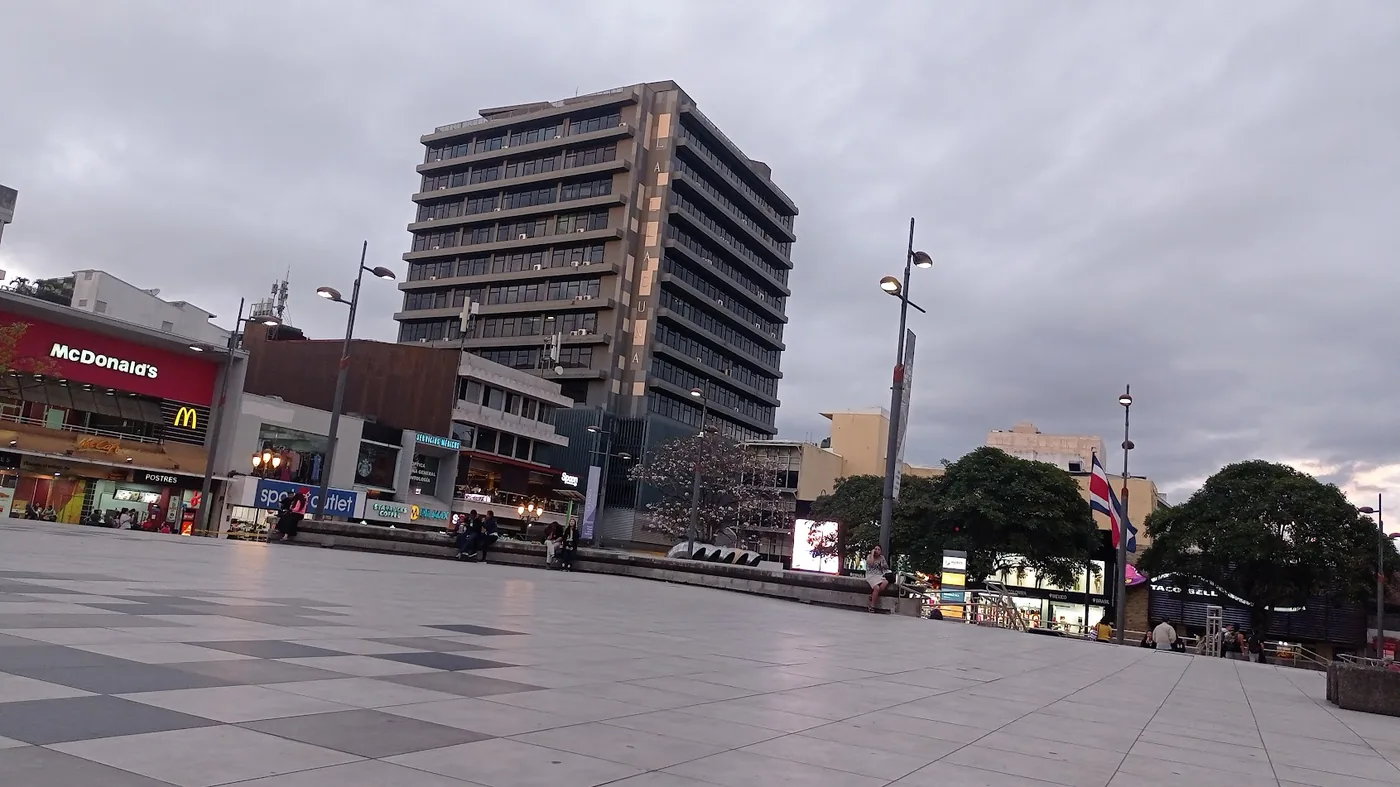
After the school, I wanted to stay a few extra days to get to know San José. It was strange in a good way, because I did things I almost never do in my own country: take buses, walk alone through downtown, see the main street with music, people dancing, and city movement. It reminded me of something simple but beautiful: Costa Ricans are Central Americans too. There are huge differences, yes, but there is also a familiarity that appears on the street.
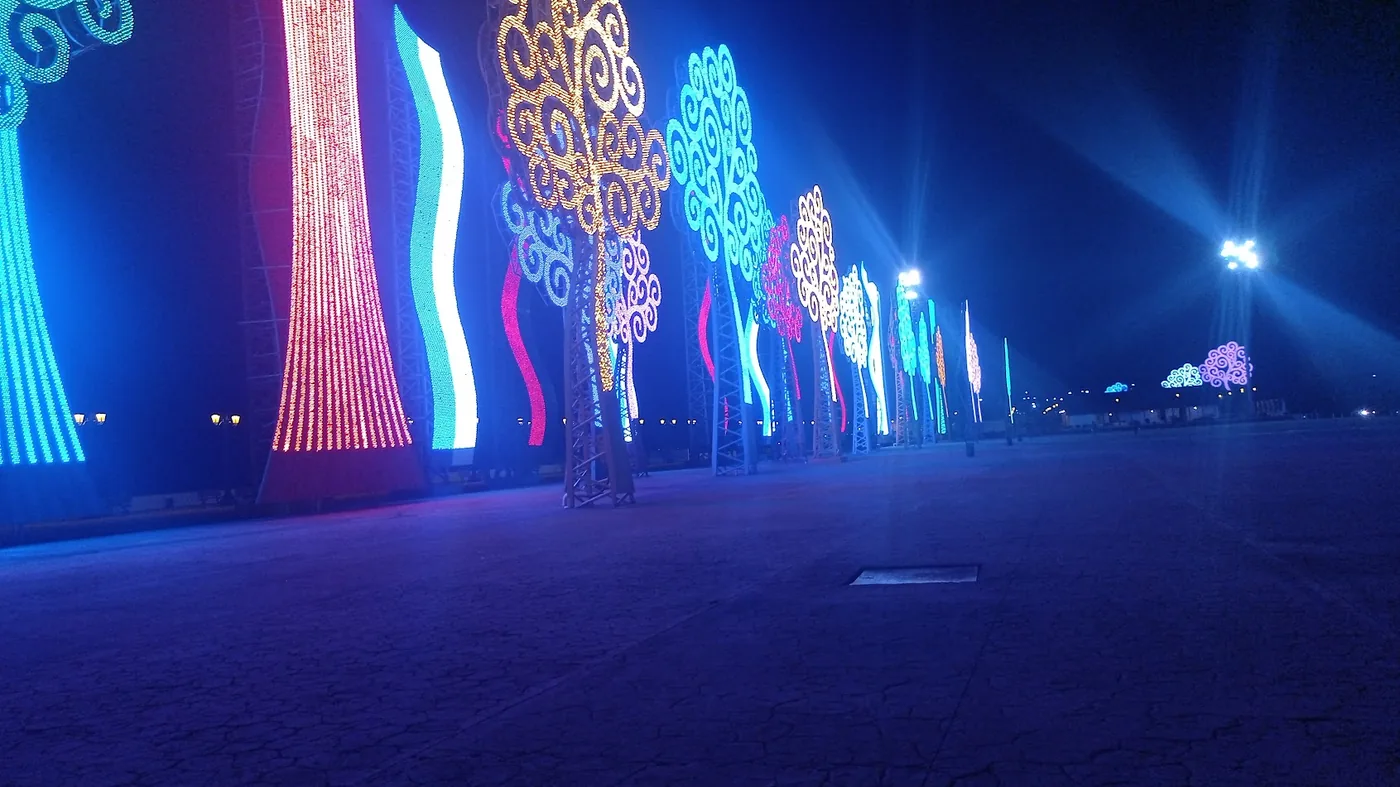
On the way back, I passed through Managua again with more time. I went out to Puerto Salvador Allende basically in pajamas, got overcharged by a taxi, and then got lucky: I met a group of girls who were going to eat near my hotel and accompanied me in an inDrive. It was one of those scenes that sound improvised because they were.
And the trip did not exactly end there. After that, I stayed in Tegucigalpa for two weeks, which my parents were not very happy about. I also missed a couple days of the university semester, so I had to catch up through the photos my classmates sent in the group chat. It felt strange: one part of me was still in school-trip-Central-America-by-bus mode, and the other was trying not to lose track of university.
I also remember eating all the leftovers from what I had bought in Costa Rica. After two weeks calculating prices in Liberia, you do not just leave food behind.
What It Left Me
I always felt the trip was worth it. Every morning. Walking to UCR, eating pinto again, sitting in class, trying to follow a proof, talking with someone from Honduras or Costa Rica, planning where to have dinner, or getting on a bus without being completely sure how the day would end.
EMALCA Costa Rica 2024 gave me more than courses. It gave me a sense of belonging to a regional mathematical community that I had previously seen from a distance. It also gave me confidence that my path, even coming from systems engineering, has a place in these intersections between numerical analysis, geometry, computation, and machine learning.
And maybe most importantly, it left me with that version of myself crossing a border alone, looking at the map, and thinking: yes, I am here. I am really here.